


How To Select Winter Work Shoes
2023-12-21
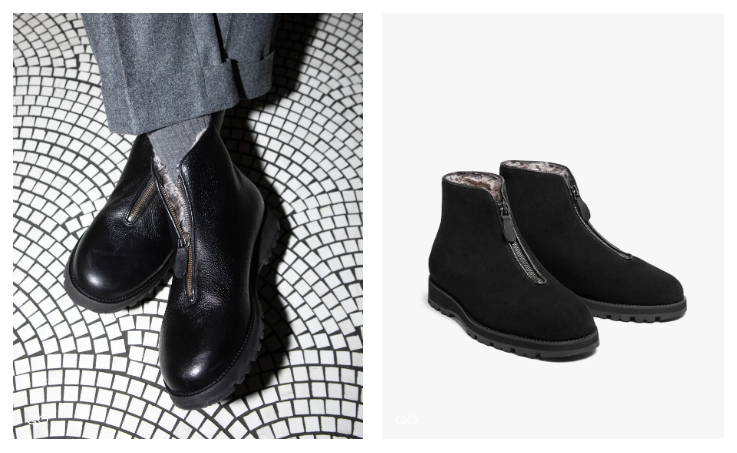
In the realm of menswear, the right winter work shoes are more than just a necessity; they're a statement. They set the tone for your entire outfit, combining practicality with a touch of sophistication. Think of them as your trusted allies against the harsh winter elements, offering not just warmth and dryness but also a certain sartorial edge. In this article, we’re diving into the essentials of what makes a great pair of winter work shoes.
How to select winter work shoes
Selecting the right winter work shoes is a critical decision, especially when dealing with cold and harsh weather conditions. Here’s a breakdown of what to look for:
Selecting the right winter work shoes is a critical decision, especially when dealing with cold and harsh weather conditions. Here’s a breakdown of what to look for:


Insulation
A key feature in winter work shoes is insulation, which keeps your feet warm in cold temperatures. Look for shoes with materials like Thinsulate or wool lining, known for their warmth without adding bulk. These materials trap and retain heat, ensuring your feet stay warm even on the coldest days. The level of insulation you need depends on how extreme the temperatures are and how long you'll be exposed to the cold.
A key feature in winter work shoes is insulation, which keeps your feet warm in cold temperatures. Look for shoes with materials like Thinsulate or wool lining, known for their warmth without adding bulk. These materials trap and retain heat, ensuring your feet stay warm even on the coldest days. The level of insulation you need depends on how extreme the temperatures are and how long you'll be exposed to the cold.


Water resistance
Waterproof or water-resistant materials are essential to keep your feet dry. Wet feet not only lead to discomfort but also increase the risk of cold-related injuries. Materials like Gore-Tex or rubberized coatings offer effective water resistance while allowing breathability, ensuring your feet don't get sweaty.
Waterproof or water-resistant materials are essential to keep your feet dry. Wet feet not only lead to discomfort but also increase the risk of cold-related injuries. Materials like Gore-Tex or rubberized coatings offer effective water resistance while allowing breathability, ensuring your feet don't get sweaty.

Slip resistance
Icy and slippery conditions in winter demand shoes with slip-resistant soles. Look for shoes with deep treads and patterns that provide traction on snow and ice. Soles made from rubber or containing special anti-slip technology can significantly reduce the risk of slips and falls, which is crucial for safety in winter work environments.
Icy and slippery conditions in winter demand shoes with slip-resistant soles. Look for shoes with deep treads and patterns that provide traction on snow and ice. Soles made from rubber or containing special anti-slip technology can significantly reduce the risk of slips and falls, which is crucial for safety in winter work environments.


Durability
The materials and construction of the shoes contribute to their durability. High-quality leather or synthetic materials, reinforced stitching, and robust sole construction can withstand rough usage and harsh conditions, making your investment last longer. Durability also means better protection for your feet against external elements.
The materials and construction of the shoes contribute to their durability. High-quality leather or synthetic materials, reinforced stitching, and robust sole construction can withstand rough usage and harsh conditions, making your investment last longer. Durability also means better protection for your feet against external elements.


Comfort
Finally, consider comfort features like cushioning, arch support, and breathability. Shoes with adequate cushioning reduce the strain on your feet during long working hours. Supportive features like contoured insoles and padded collars can help in maintaining the right posture and reducing fatigue. Breathability is also important to prevent moisture buildup inside the shoe.
Finally, consider comfort features like cushioning, arch support, and breathability. Shoes with adequate cushioning reduce the strain on your feet during long working hours. Supportive features like contoured insoles and padded collars can help in maintaining the right posture and reducing fatigue. Breathability is also important to prevent moisture buildup inside the shoe.

By considering these factors, you can select a pair of winter work shoes that not only protect your feet but also enhance your work performance in winter conditions.
 Stepping into Romance: How to Choose the Perfect Shoes for Date Night
  How to Select the Perfect Wedding Shoes for Men
  How To Style Chelsea Boots
  How to style smart casual trainers for men
  How To Keep Suede Trainers Clean
  How To Dress For A Summer Wedding
  How A Man Chooses A Pair Of Leather Shoes That Suits Him
  How To Style Brown Shoes With Grey Dress Pants For Men
  How to wear chelsea boots in 2024
  Good Shoes for City Walking: How to Tell & How to Choose
  5 COMFORTABLE MEN'S BROWN SLIP-ON SHOES YOU NEED TO HAVE
  How To Picks Men's Formal Shoes
  How to Select the Perfect Wedding Shoes for Men
  How To Store Your Shoes
  How To Wear Moccasins
  HOW TO STYLE: BIKER BOOTS
  How to wear Chelsea boots with jeans: A modern man's guide
  How To Break In Leather Shoes: The Ultimate Guide By Daodao