


How To Store Your Shoes
2023-12-01
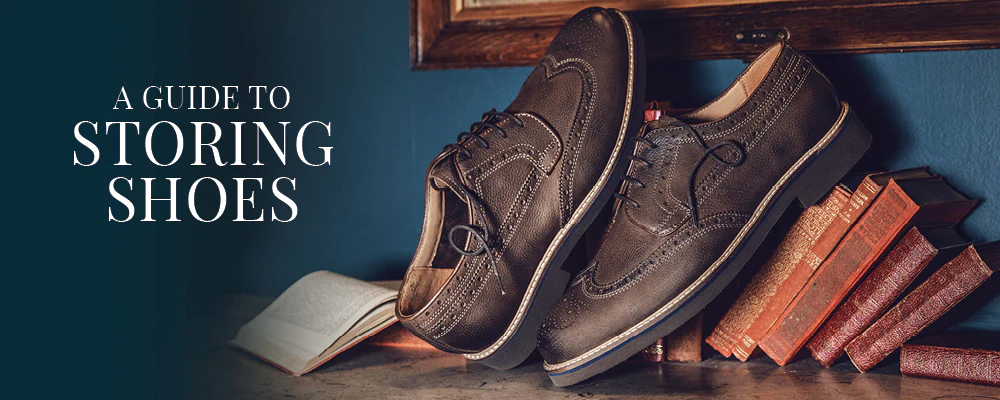
A gathering pool of high heels at the bottom of your wardrobe. A tidal wave of trainers cascading from the cupboard under the stairs. An overflowing rack of muddy boots by the back door and a steady trickle of new shoes entering your home. Every footwear aficionado understands the overwhelm … but it doesn’t need to be this way.
Organising out shoe collections can give us lasting satisfaction, by revolutionising our living space and simultaneously removing the unnecessary fluff from our minds. Then there’s the wonder of rediscovering a pair of forgotten favourites that, with some new-found love and attention, can be reintroduced into our wardrobe.
When you take the time to look after shoes, they can last you a lifetime, so storing your footwear correctly can pay homage to your most admired pair of shoes and will make them feel brand new all over again.
If you’re wondering how to organise your wardrobe to store your shoes efficiently, we’ve put together a need-to-know guide on how to revolutionise your space and your prized footwear collections.
HOW TO ORGANISE SHOES
1. DECLUTTER YOUR SHOE COLLECTION
Gather your shoes and start by sorting into three piles, the ones you want to keep, the ones that can be recycled, and those that can be passed on to a new home. An effective way to purge your hoard is to follow the one-year rule, if you haven’t worn them in a year and you have no intention of wearing them anytime soon, get rid.
1. DECLUTTER YOUR SHOE COLLECTION
Gather your shoes and start by sorting into three piles, the ones you want to keep, the ones that can be recycled, and those that can be passed on to a new home. An effective way to purge your hoard is to follow the one-year rule, if you haven’t worn them in a year and you have no intention of wearing them anytime soon, get rid.
2. ORGANISE YOUR SHOES INTO CATEGORIES
With the shoes you want to keep, we recommend sorting them into further categories, such as:
Frequent use – For year-rounders such as your work heels and slip-on trainers.
Occasional use – For party heels and other smart shoes that only come out once or twice a month, which need to be out of the way of your busy day-to-day life, but readily accessible when needed at a moment’s notice.
Seasonal use –For the shoes that are currently out of season. Sandals can be put aside in deep storage during the winter months, and the same can be said for boots in the summertime. Storing your shoes by season means you can cycle your shoes in and out as needed. Use boot shapers and shoe trees to preserve the shape and quality of your shoes when they’re not in use.
3. FIND A DESIGNATED SPACE FOR EACH CATEGORY
For frequent use shoes, we recommend a shoe rack or open-faced cupboard by the front door. Wherever you choose will ideally be somewhere your shoes are close at hand, out of direct sunlight (which can bleach shoes of their colour) and somewhere air can circulate around your shoes to prevent mould and unpleasant smells.
For frequent use shoes, we recommend a shoe rack or open-faced cupboard by the front door. Wherever you choose will ideally be somewhere your shoes are close at hand, out of direct sunlight (which can bleach shoes of their colour) and somewhere air can circulate around your shoes to prevent mould and unpleasant smells.
USING A SHOE RACK
Not only will displaying your shoes on a rack make them quick to grab on a busy weekday morning, having an accessible means of storing your shoes makes your efforts to tidy up in the present easy to maintain in the future.
Not only will displaying your shoes on a rack make them quick to grab on a busy weekday morning, having an accessible means of storing your shoes makes your efforts to tidy up in the present easy to maintain in the future.
STORING SHOES IN YOUR WARDROBE
For occasional shoes, consider keeping them in your wardrobe or cupboard. To prevent a pool of shoes gathering at the bottom of your wardrobe, wrap them in acid free paper, and place them in shoe or storage boxes on the top shelf to prevent them from being crushed. For added efficiency, and to prevent you from having to rifle through boxes when trying to find the perfect pair of shoes to match your outfit, print out a photo of your shoes and stick it to the side of the corresponding storage box so you can spot the correct pair.
For occasional shoes, consider keeping them in your wardrobe or cupboard. To prevent a pool of shoes gathering at the bottom of your wardrobe, wrap them in acid free paper, and place them in shoe or storage boxes on the top shelf to prevent them from being crushed. For added efficiency, and to prevent you from having to rifle through boxes when trying to find the perfect pair of shoes to match your outfit, print out a photo of your shoes and stick it to the side of the corresponding storage box so you can spot the correct pair.
PUTTING SHOES IN DEEP STORAGE
For your seasonal shoes, consider a deep storage solution. To keep your shoes safe until the change of season, wrap clean shoes in acid-free tissue paper or pop them in a cotton draw-string shoe bag, and nestle them carefully in a container that makes the most sense for the space you’re working with.
For your seasonal shoes, consider a deep storage solution. To keep your shoes safe until the change of season, wrap clean shoes in acid-free tissue paper or pop them in a cotton draw-string shoe bag, and nestle them carefully in a container that makes the most sense for the space you’re working with.
Under-bed fabric organisers are a great option, especially those already split into shoe-sized compartments. With these organisers, shoes can be hidden away under the bed, protected from dust, sunlight, and other elements that cause weakened leather and cracked glue.
Stackable plastic containers are also a good choice if you’re looking to store your shoes in a cupboard. Just add a couple of silica packets to the bottom of each storage container to help maintain the correct moisture level.
4. STORE YOUR SHOES CORRECTLY
Location is important. Try to avoid harsh climates like the attic, garage, or basement which can cause damage to shoes over time, particularly those shoes made of organic material such as leather and cork.
Location is important. Try to avoid harsh climates like the attic, garage, or basement which can cause damage to shoes over time, particularly those shoes made of organic material such as leather and cork.
 Stepping into Romance: How to Choose the Perfect Shoes for Date Night
  How to Select the Perfect Wedding Shoes for Men
  How To Style Chelsea Boots
  How to style smart casual trainers for men
  How To Keep Suede Trainers Clean
  How To Dress For A Summer Wedding
  How A Man Chooses A Pair Of Leather Shoes That Suits Him
  How To Style Brown Shoes With Grey Dress Pants For Men
  How to wear chelsea boots in 2024
  Good Shoes for City Walking: How to Tell & How to Choose
  5 COMFORTABLE MEN'S BROWN SLIP-ON SHOES YOU NEED TO HAVE
 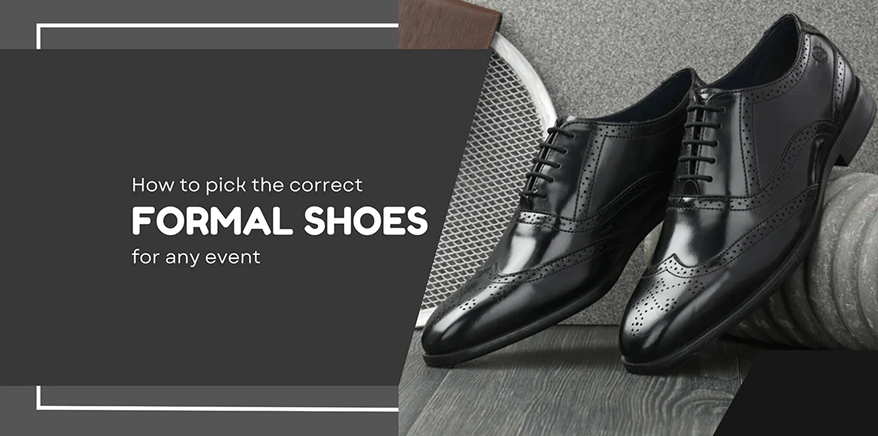 How To Picks Men's Formal Shoes
 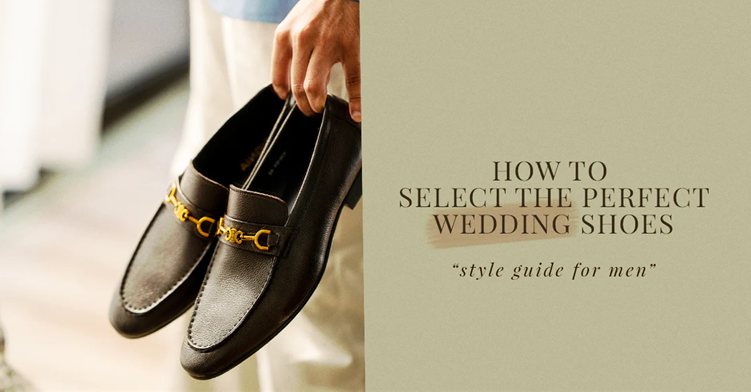 How to Select the Perfect Wedding Shoes for Men
 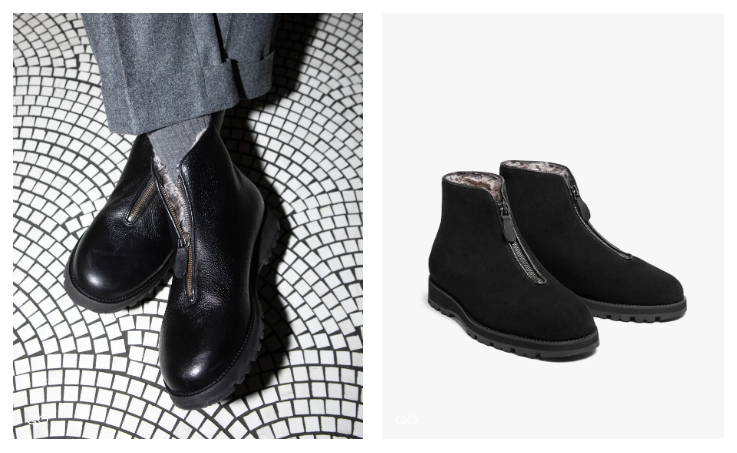 How To Select Winter Work Shoes
 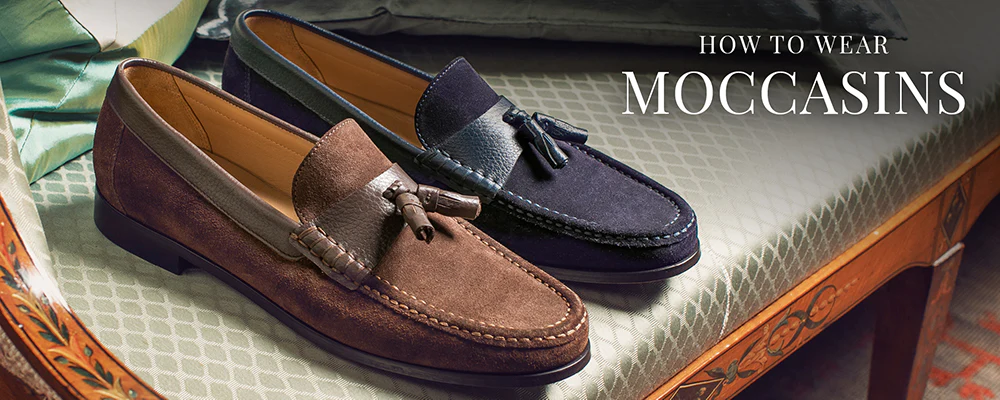 How To Wear Moccasins
  HOW TO STYLE: BIKER BOOTS
  How to wear Chelsea boots with jeans: A modern man's guide
  How To Break In Leather Shoes: The Ultimate Guide By Daodao